
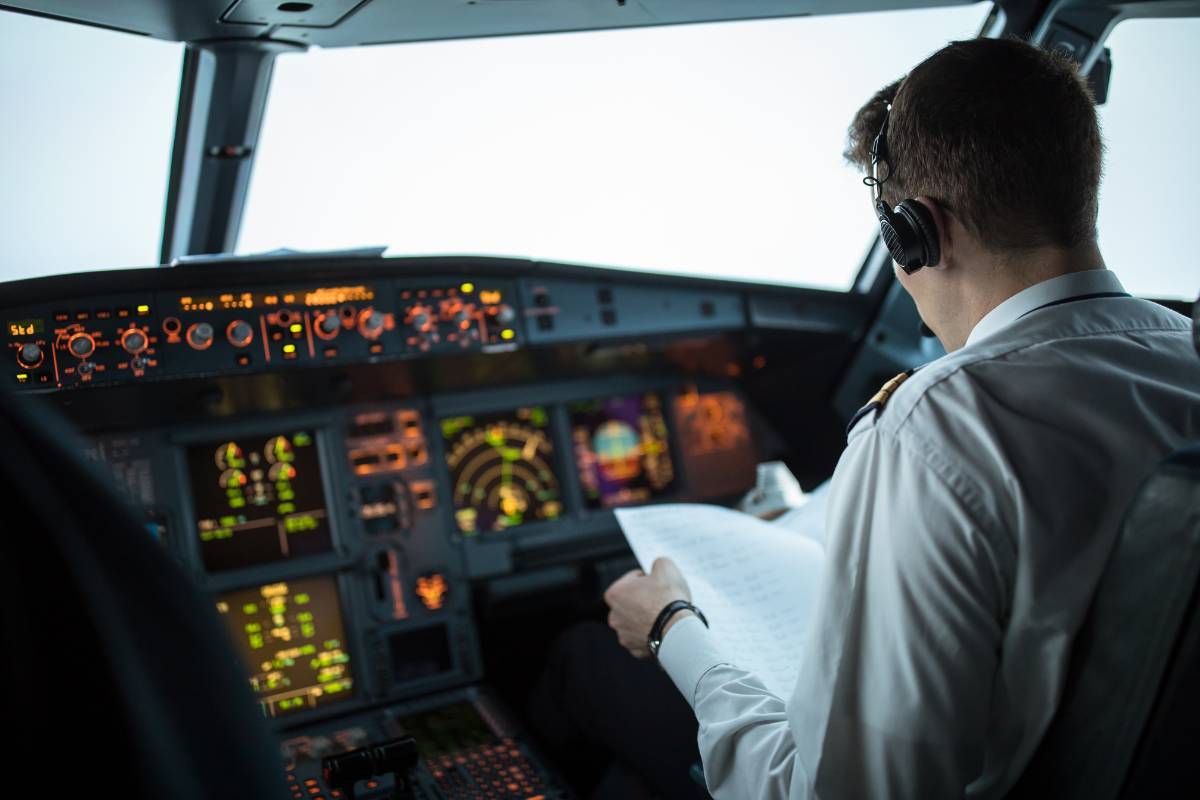
For many people, becoming an airline pilot is the ultimate career goal. Few professions combine technical skill, travel, responsibility, teamwork, and lifestyle in quite the same way. Sitting in the flight deck of a modern airliner, flying passengers safely across the world, is still one of the most respected and rewarding jobs available today.
But if you are looking into becoming a pilot in 2026, the process can feel overwhelming at first. There is so much information online that many aspiring pilots struggle to know where to begin. Questions about training routes, costs, licences, medical requirements, and airline recruitment standards can quickly become confusing.
The good news is that the pathway to becoming an airline pilot is far more achievable than many people think. Every year, thousands of people from completely different backgrounds begin flight training and eventually secure jobs with airlines around the world. You do not need to come from a military background, and you certainly do not need to be a mathematical genius. What matters most is commitment, discipline, and the willingness to continuously learn and improve.
The first thing to understand is that being an airline pilot is about far more than simply flying an aircraft. Modern airline pilots are highly trained professionals responsible for making safe decisions under pressure, managing workload, communicating effectively, and working closely with other crew members. Airlines are not only looking for people who can fly an aircraft accurately — they are looking for calm, professional individuals who can perform consistently in challenging environments.
Before committing to any training programme, one of the smartest things you can do is research the profession properly and experience aviation first-hand. Booking a trial flight at a local flying school is often the perfect introduction. Sitting in a small aircraft, taking the controls for the first time, and seeing how flying actually feels can either confirm your passion or help you decide if the career is truly right for you before spending significant money on training.
One of the most important early steps is obtaining a Class 1 Medical Certificate. This medical assessment is required before beginning airline pilot training in most countries and checks areas such as vision, hearing, cardiovascular health, and overall fitness. Many aspiring pilots make the mistake of investing heavily in training before confirming they meet the medical standards required by airlines. Completing this step early provides clarity and peace of mind before moving forward.
Once you decide to pursue aviation seriously, you will need to choose a training route. In 2026, the two main pathways remain integrated and modular training. Integrated training is usually completed full-time through a dedicated flight academy and follows a highly structured airline-style programme from start to finish. It is often faster but can be significantly more expensive.
Modular training, on the other hand, allows students to complete licences step-by-step at their own pace. Many students choose this route because it provides greater flexibility and can reduce financial pressure by allowing them to work while training. Although it requires more self-discipline and organisation, modular training has become an increasingly popular option, and many airline pilots flying today came through this pathway successfully.
Regardless of the route you choose, the training itself is demanding. The journey usually begins with the Private Pilot Licence, where students learn the foundations of flying, including aircraft handling, navigation, communication, and flight planning. From there, students progress into ATPL theory examinations, which are widely regarded as one of the most academically challenging stages of training.
The theory phase requires significant dedication and consistent study habits. Subjects such as meteorology, air law, aircraft systems, performance, and navigation require students to absorb a large amount of technical knowledge in a relatively short period of time. Many students underestimate this phase initially, but those who succeed usually develop disciplined daily study routines rather than relying on last-minute revision.
After theory exams come further stages including hour building, commercial flight training, instrument flying, multi-engine operations, and multi-crew cooperation training. By the end of the process, students are trained not only to fly aircraft safely but also to operate in a professional airline environment where teamwork and communication are essential.
One of the biggest misconceptions about airline recruitment is that airlines only care about technical ability. In reality, airlines in 2026 place huge importance on non-technical skills. Communication, professionalism, leadership potential, adaptability, and decision-making are often just as important as flying ability itself.
The best pilots are rarely the loudest or most naturally talented individuals in the room. More often, they are the people who remain calm under pressure, work well with others, prepare thoroughly, and constantly look for ways to improve. Humility is one of the most valuable qualities a pilot can possess because aviation is an industry where learning never stops.
Aspiring pilots should also understand that consistency matters far more than perfection. Every pilot struggles during training at some stage. Some students find landings difficult, while others struggle with radio communication, instrument flying, or theory exams. Challenges are completely normal. What separates successful pilots from unsuccessful ones is usually resilience and mindset rather than intelligence alone.
Another important factor to consider is financial preparation. Flight training is expensive, and poor financial planning can create enormous stress during the process. Before beginning training, it is important to create a realistic budget that includes additional contingency funds for unexpected delays, extra lessons, accommodation, and examination costs. Many students underestimate how financially demanding flight training can become, particularly during periods where income may be limited.
Networking and learning from experienced pilots can also provide a huge advantage. Speaking with instructors, airline pilots, and current students gives valuable insight into the realities of training and recruitment. The aviation industry is surprisingly small, and professional reputation matters greatly. Building good relationships early and maintaining a professional attitude throughout training can open doors later in your career.
Perhaps the most important advice for anyone pursuing aviation in 2026 is to focus on becoming a professional from day one. That means arriving prepared, studying consistently, managing your health properly, and developing strong habits early. Airlines are not simply hiring people who can pass flight tests — they are hiring future captains who will represent the company and make safe decisions every day.
Although the road to becoming an airline pilot is demanding, it is also incredibly rewarding. The first solo flight, the first time flying through cloud on instruments, and eventually stepping onto an airliner for your first commercial flight are moments that most pilots never forget. The journey requires sacrifice, patience, and hard work, but for many people, it becomes one of the best decisions they ever make.
If becoming an airline pilot is your dream, do not get overwhelmed by the entire journey at once. Focus on taking the first step. Research the industry properly, experience a trial flight, complete your medical assessment, and begin building your knowledge gradually. Every airline captain flying today once stood exactly where you are now — wondering how to get started.
The difference is that they decided to begin.
Share: